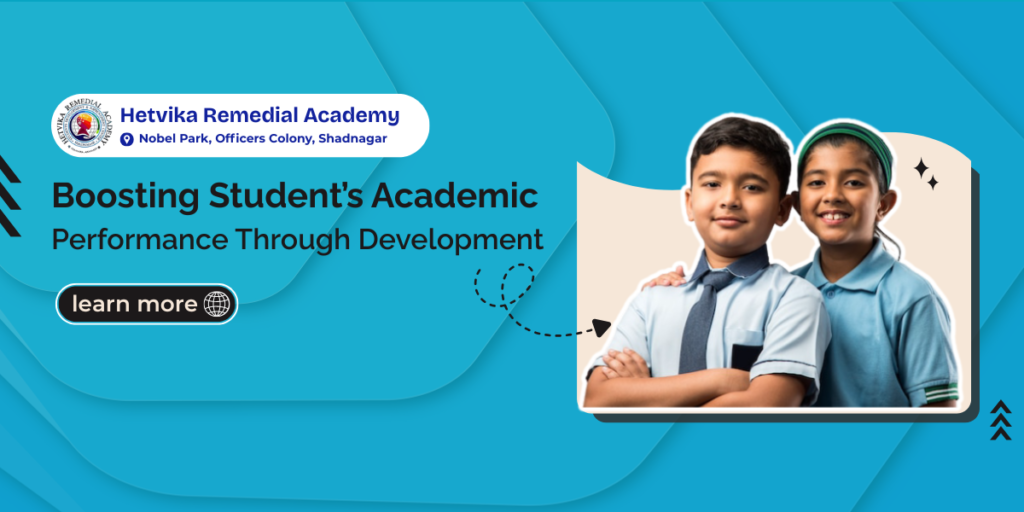
Students’ academic performance and success are most important goals for both parents and educators alike. How ever achieving student’s academic performance goes beyond just memorizing textbooks or passing exams. True success in learning like stems from a holistic approach to student development, which helps in improving the both cognitive skills and personal growth. From this blog, we’ll explore the key practical strategies and insights on how development-focused approaches can significantly helps in boosting students’ academic performance
Understanding Student Development
Basically students’s developments programme is an comprehensive concept including emotional, social, and physical growth. While traditional education mainly focuses on grades and test scores, student development programs emphasizes in nurturing critical thinking, problem-solving, communication skills, and intelligence. This kind of approach ensures students are not only excelling academically but also helps in developing the agility and motivation necessary for lifelong learning.
Few aspects of student development that include:
- Cognitive growth: Strengthening the memory, focus, and analytical thinking skills
- Emotional development: Improving self-awareness, stress management, and motivation
- Social skills: Building collaboration, communication, and leadership qualities
- Physical well-being: Maintaining good health and energy levels to align the progressive support learning.
Why Development Impacts Students’ Academic Performance
In recent research consistently shows that students who engage in holistic development programs tend to perform better academically.
- Cognitive Skills: Activities such as problem-solving exercises, brain games, and creative projects enhance critical thinking and memory retention
- Emotional Control: Students who develop emotional intelligence can manage stress and exam anxiety, leading to better concentration and performance
- Enhanced Motivation: Development-focused learning fosters curiosity and a love for learning, which drives students to put in consistent effort
- Stronger Social Connections: Collaborative learning improves communication and teamwork, which can positively affect group projects and classroom participation.
Strategies to Boost Students’ Academic Performance Through Development
Here are actionable strategies for parents, teachers, and students to incorporate development into learning
- Personalized Learning Approaches: Every student has their unique strengths and weaknesses. Tailoring learning plans based on individual needs ensures students receive the support they need to excel. Personalized learning can include adjusting the pace, using different teaching methods, or focusing on areas that require improvement.
- Skill-Building Activities: Incorporate activities that enhance critical thinking, creativity, and problem-solving. Examples include puzzles, science experiments, debate sessions, and coding challenges. These exercises strengthen the mind while making learning engaging and interactive
- Focus on Foundational Skills: Strong students’ academic performance mainly on a solid foundation in reading, writing, listening, and speaking. We offer our commitment to improvement in the basics of listening, speaking, reading, and writing
- Emotional and Mental Well-being: A student’s emotional state heavily influences learning outcomes. Encouraging practices like mindfulness, meditation, or stress management workshops to help students maintain focus and confidence during their studies and exams.
- Encouraging Physical Activity: Physical development and health directly implies on cognitive performance. Regular exercise improves games, sports, yoga and meditations helps in concentration, memory, and energy levels
- Technology-Enhanced Learning: Adopting various educational tools and learing platforms to create an interactive learning environment. Learning apps, educational games, and online tutorials can enhances concepts and make students learning more personalized and enjoyable
- Regular Feedback and Reflection: Regular constructive feedback on students helps in improving and focusing, understand their key strengths and areas needed for improvement. Encouraging students to reflect on their learning progress regularly. This reflection not only builds self-awareness but also motivates in the continuous improvement.
Role of Educators and Parents
Educators and parents play a crucial role in focusing student development:
- Teachers should mainly focus on nurturing curiosity, critical thinking, and collaborative skills in the classroom
- Parents can support learning by creating a positive home environment, encouraging in the consistent study habits, and providing emotional support towards students
A meaningful collaboration between both educators and parents ensures a well-rounded developmental approach that addresses students’s both academic and personal growth.
Final conclusion
Boosting students’ academic performance is not just about increasing only on subject grades—it’s also about the improving overall development that prepares students for lifelong success. By focusing on various factors like cognitive, emotional, social, and physical growth, students become more confident, motivated, and capable learners
Incorporating strategies like personalized learning, skill-building exercises, emotional support, and physical activity creates a holistic learning experience that helps in naturally improving and enhancing the academic outcomes. Hetvika remedial academy is one of the top most Best Student Tuition Academy in Shadnagar focusing on student’s holistic and personal development, with proven experiences over the years.